
Car manufacturer Honda posted an operating loss of roughly $2.6 billion (414.3 billion yen) for the fiscal year that ended March 2026. This is the first full-year loss since the company went public in 1957. The previous fiscal year they had an operating profit of $7.7 billion (1.21 trillion yen). That's roughly a $10 billion drop from profit to loss in a year.
This loss isn't because of the price of gas or the economy. It's because, with encouragement from Washington, Honda pivoted towards electric vehicles and then they were hung out to dry.
During the Biden administration, steps were taken to encourage Americans to invest in electric vehicles. There was a $7,500 tax subsidy for anybody who purchased an EV ($4,000 if the EV was used). Businesses received the same plus up to $40,000 for heavy commercial vehicles (trucks, buses, delivery vans).
Businesses that built charging stations received subsidies up to 30% of the total cost of equipment and installation (up to $100,000 per charger).
Along with the carrot, they also used the stick.
CAFE fuel economy standards were increased, requiring automakers to average around 50 miles a gallon for passenger cars by 2031. The EPA increased the tailpipe emission standards. The federal government itself had a target of 50% zero-emission new vehicles by 2030 along with a nationwide buildout of charging stations in underserved areas.
With all these incentives and big changes coming on the horizon, Honda, along with other auto manufacturers, did the only thing they could. Leaned heavily into EV vehicles. They started designing new vehicle lines and breaking ground on new EV manufacturing facilities along with securing deals with battery manufacturers.
Then came the rug pull.
On July 4, 2025, Donald Trump signed what they are calling the One Big Beautiful Bill into law. Destroying any attempt at breaking free from fossil fuels in one fell swoop.
The bill ended the consumer EV tax credits, along with any subsidies for businesses. EV sales plummeted after the tax credit expired on September 30, 2025, dropping 46.7% a month later, bringing market share down from 11.3% to just 5.9%.
Penalties for missing CAFE standards were also eliminated, making it toothless.
At the same time, the EPA rolled back the tailpipe emissions regulation and an executive order was signed revoking the charger buildout countrywide.
These systemic changes caused Honda to pull the plug on three planned electric vehicles and suspended manufacturing of an EV plant, resulting in a roughly $15.9 billion dollar loss.
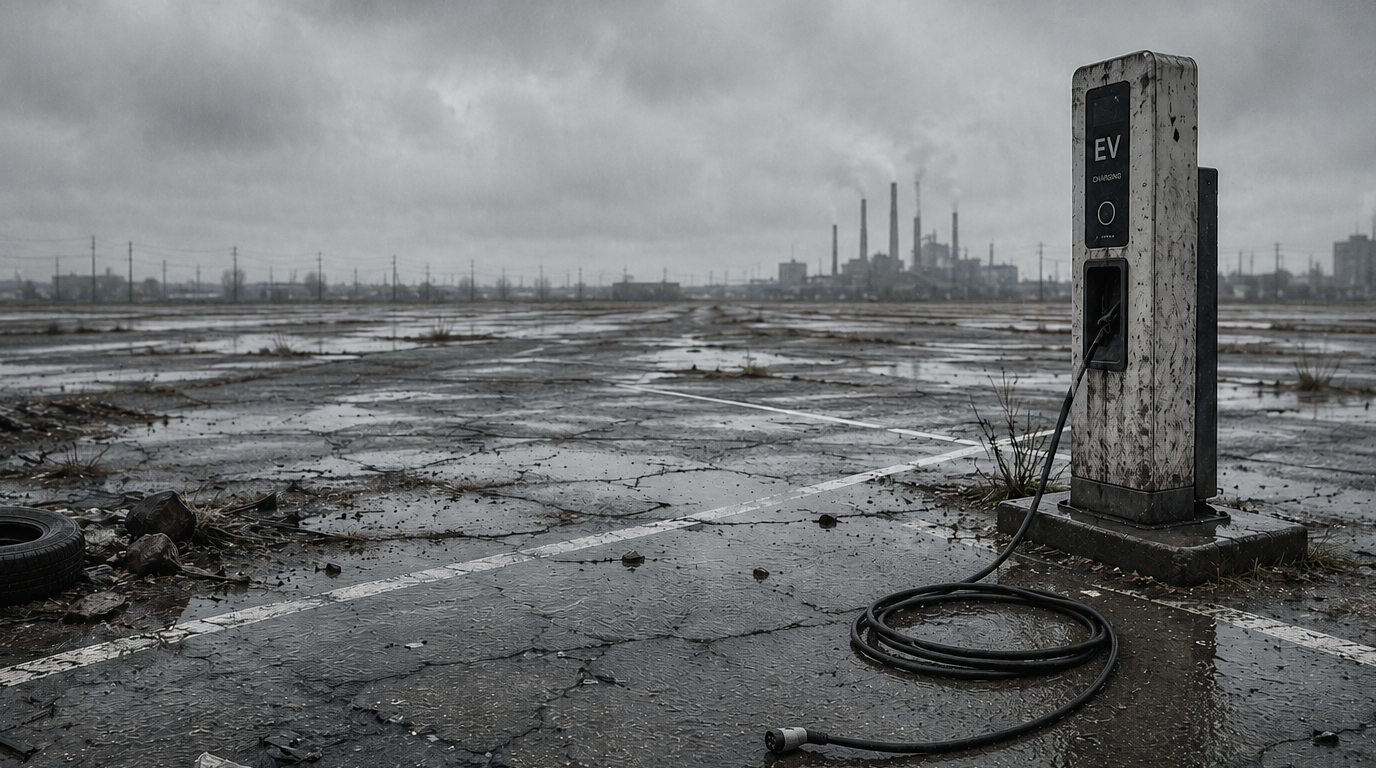
Honda is only the canary in the coal mine. They will survive. But electric vehicles in the USA are on life-support. Once Honda and the other auto manufacturers that are soon to follow finish licking their wounds and counting their pennies, they're going to be hesitant or downright gun shy to make any serious investment in the EV market again. This is by design. There are plenty of electric cars on the road today, but if things keep going at this rate they'll be squeezed out of the marketplace within 10 years. If the current administration in Washington has its way, charging stations will be few and far between, making it impractical to own an electric vehicle.
There's a saying in business: "Nobody gets fired for buying IBM." It's thrown around by middle management when they want to justify doing the safe thing and not making the risky choice. Going forward, I suspect we're going to have a new saying: "Nobody gets fired for building a car that runs on gas."