
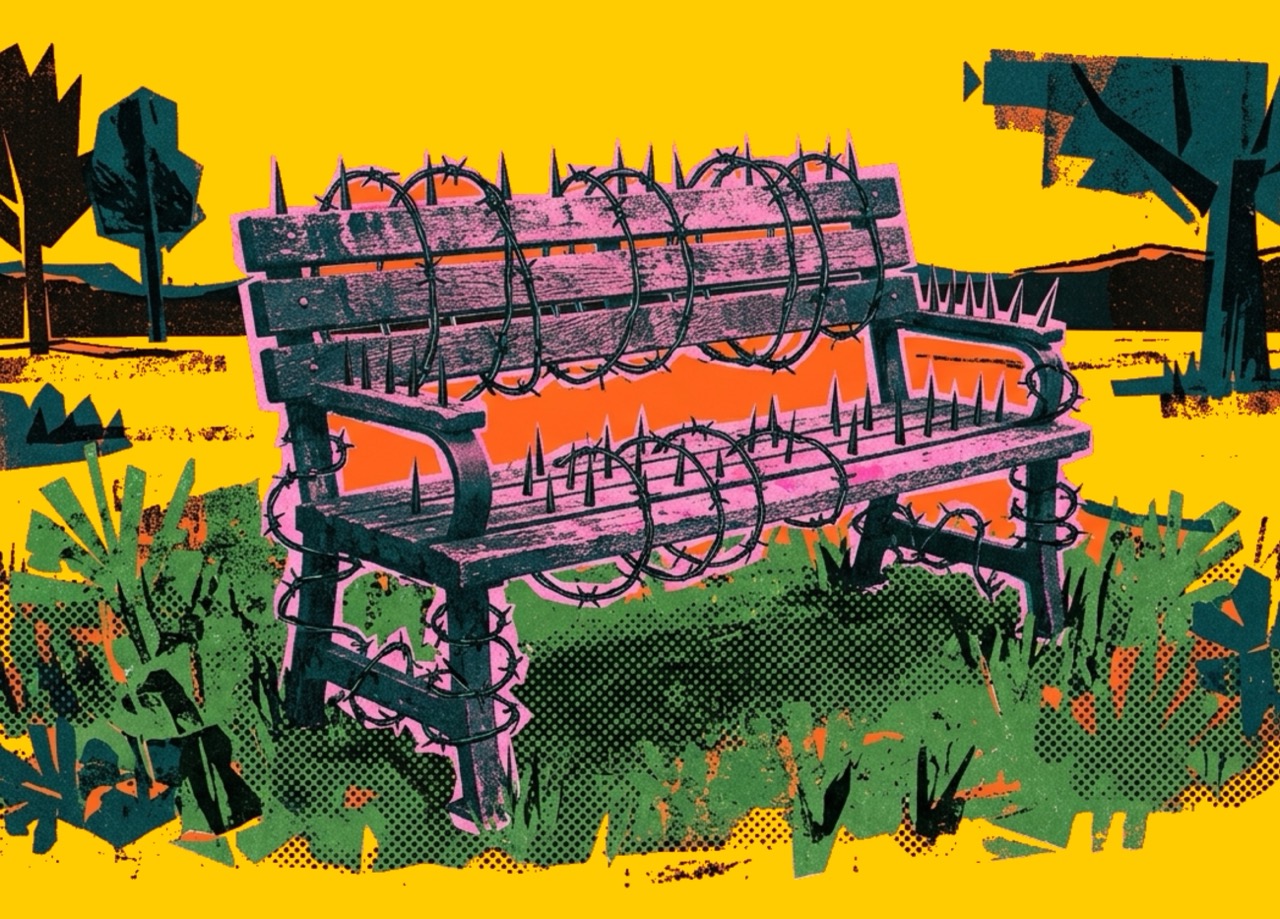
I'm sure you've seen it. the bench with metal bars down the middle. A smooth ledge broken up by little metal studs that look medieval. Places where you can rest "just enough".That’s the point. Hostile architecture, also called defensive design, is the practice of shaping public spaces to discourage certain behaviors. subtle social barriers built into the environment. The logic is simple: if you make a space uncomfortable enough, the right (or wrong depending on your perspective) people will leave. Hostile architecture doesn’t solve a problem, it pushes it down the road.
Hostile architecture works if your goal is to make people disappear. It fails if your goal is to solve the problem. A 2016 UK survey of over 450 homeless service users found 60% reported increases in defensive design (bed-deterrent spikes, sloped benches, etc.) then in the prior year . Again, while I couldn't dig up any large scale studies, the SafeGrowth blog noted in 2016 that only 40% of individuals displaced by a cleared camp actually entered shelters most were simply “shunted to some other location”
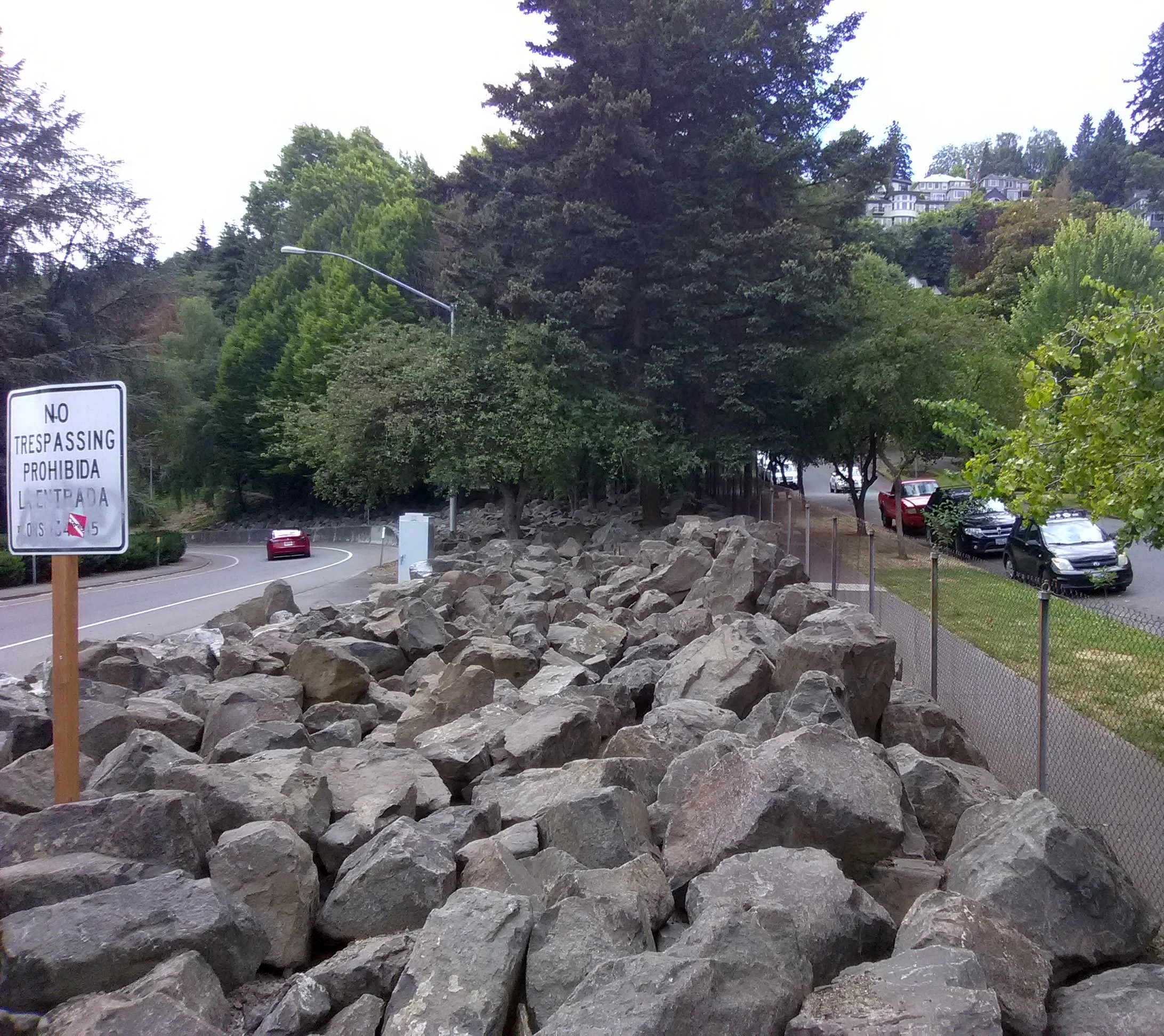
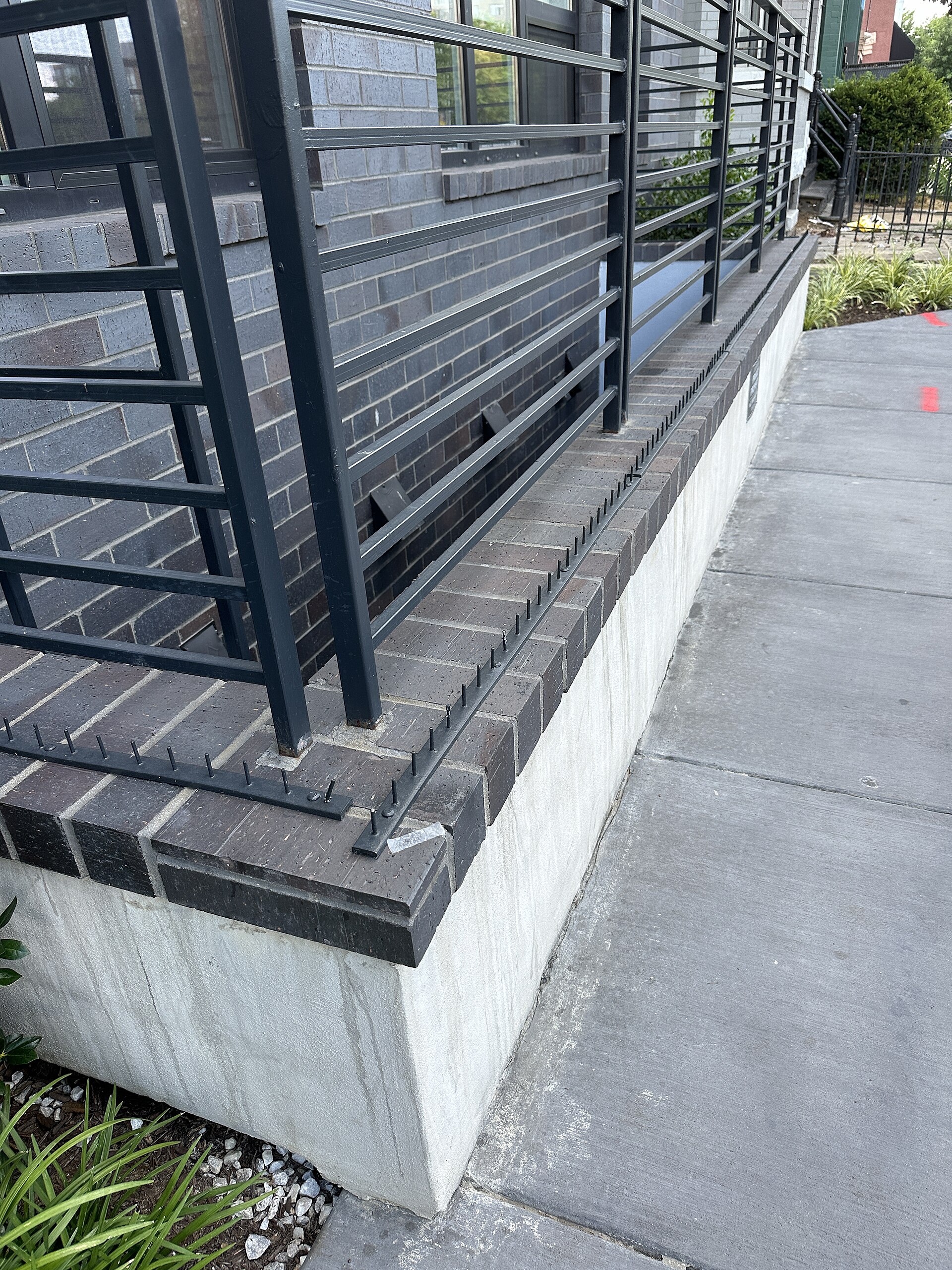
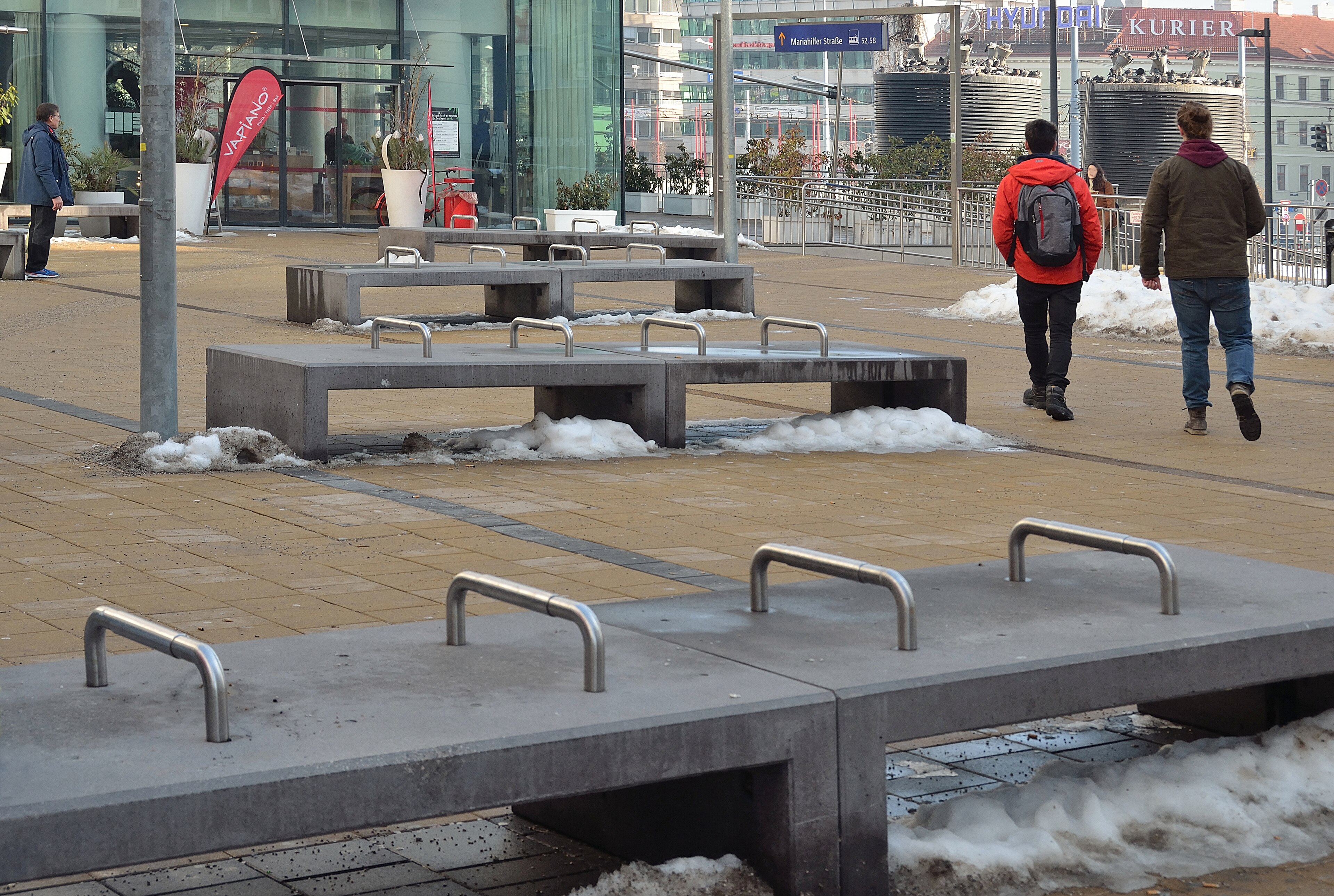
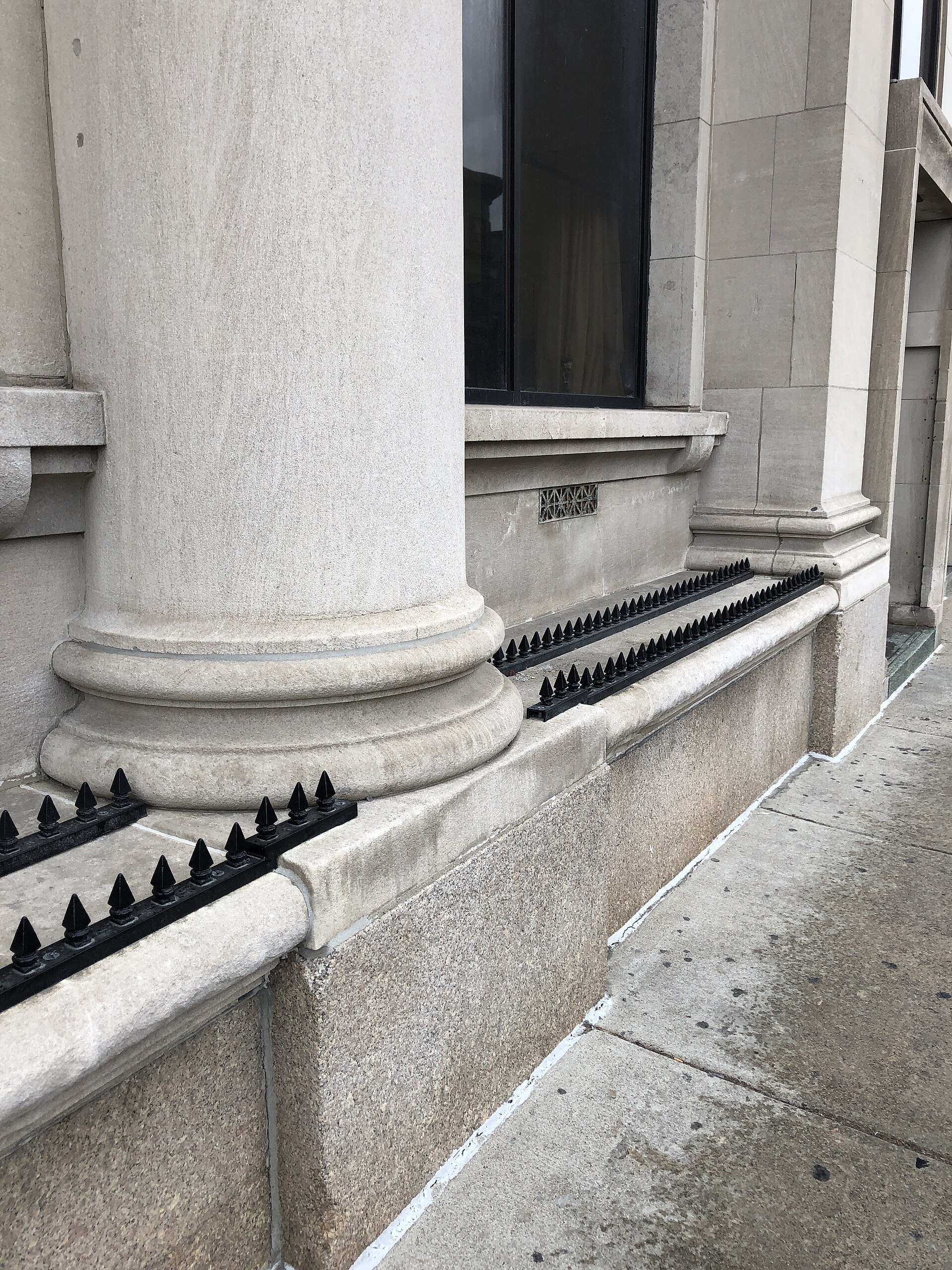
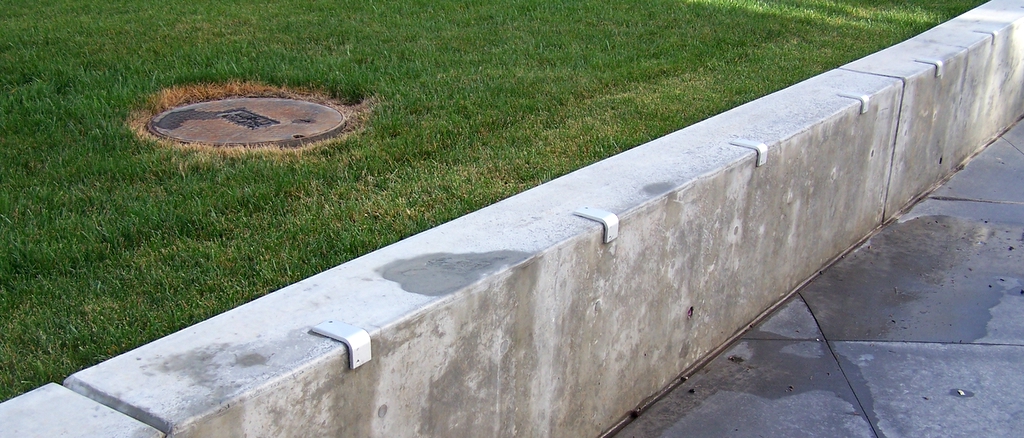
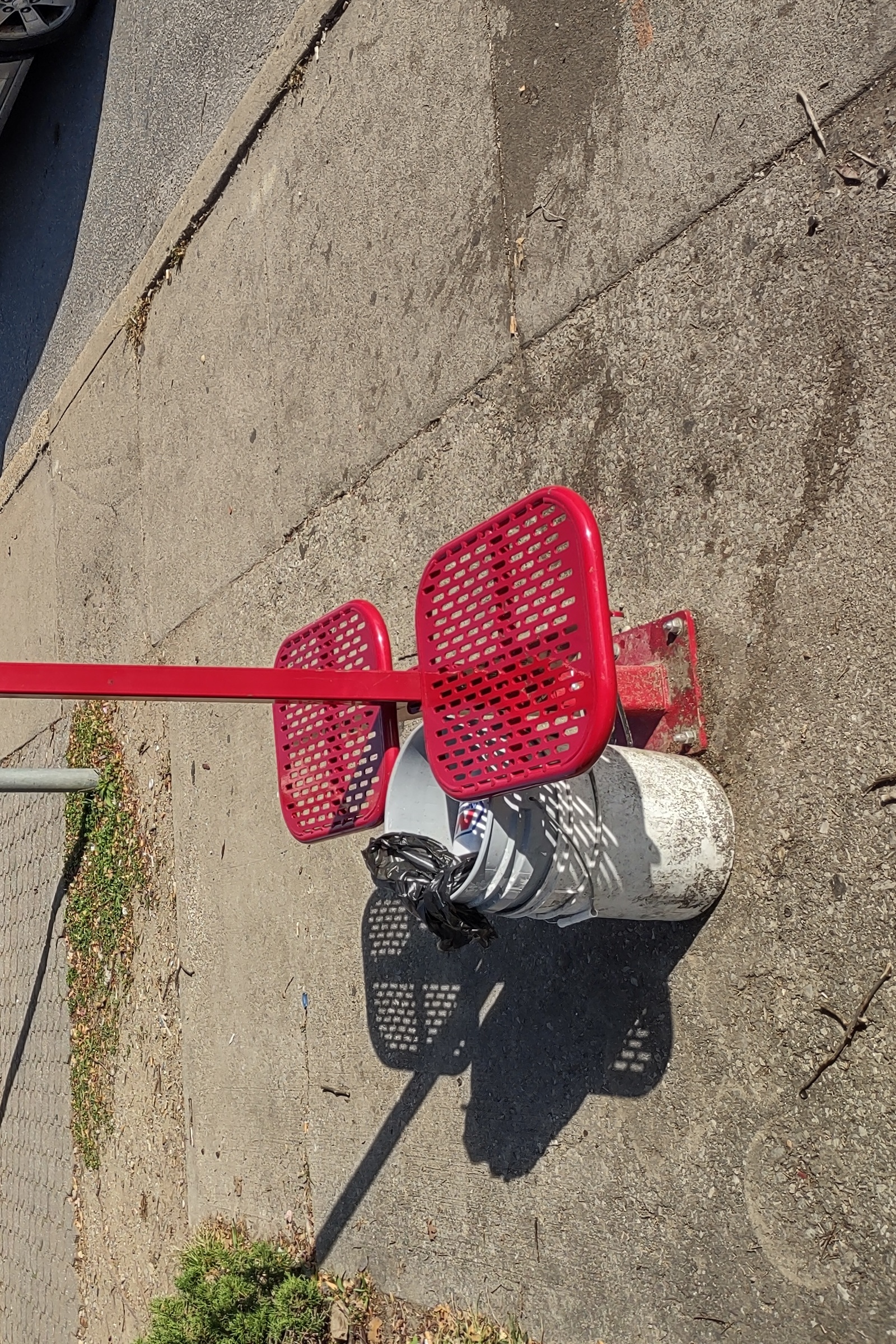
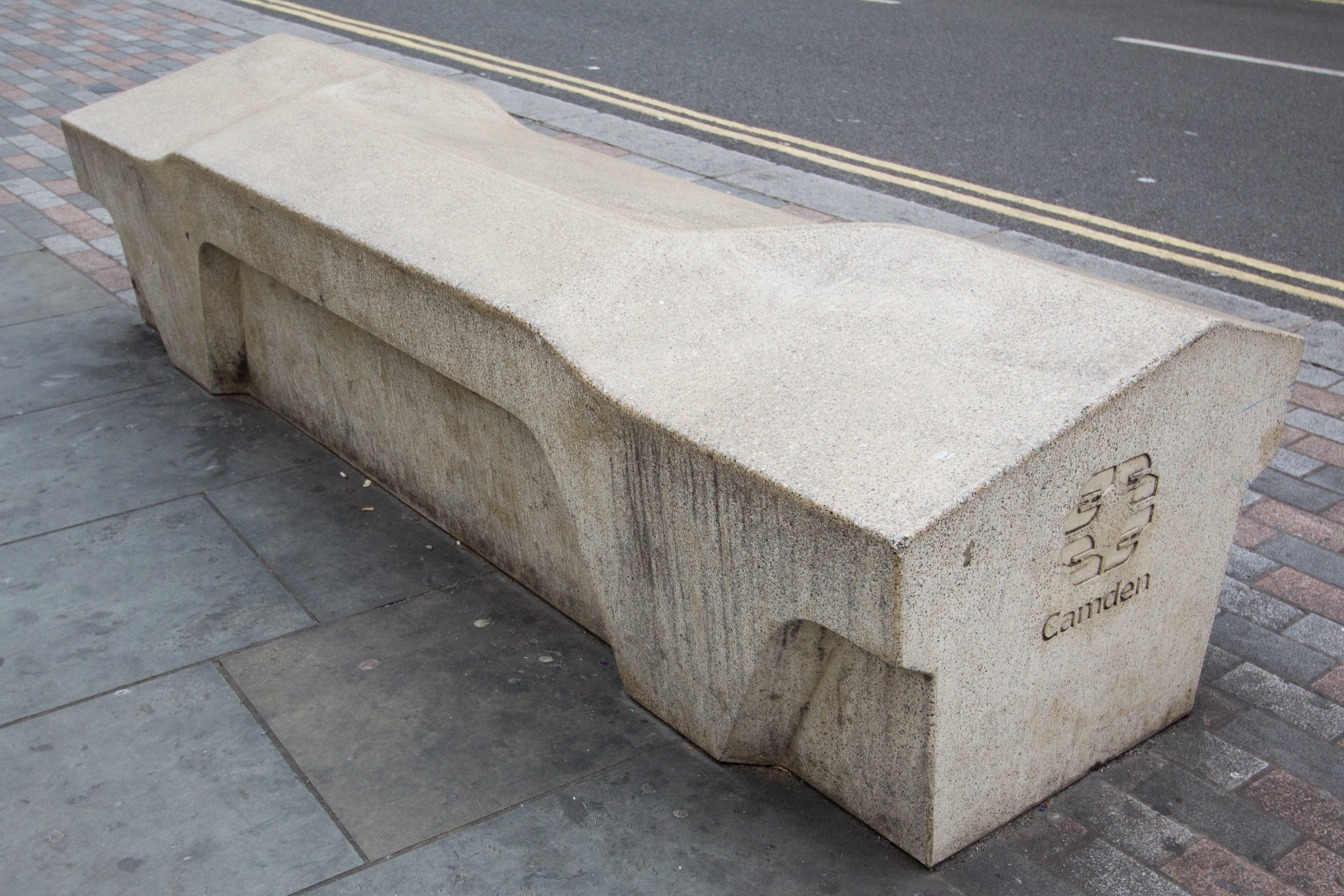
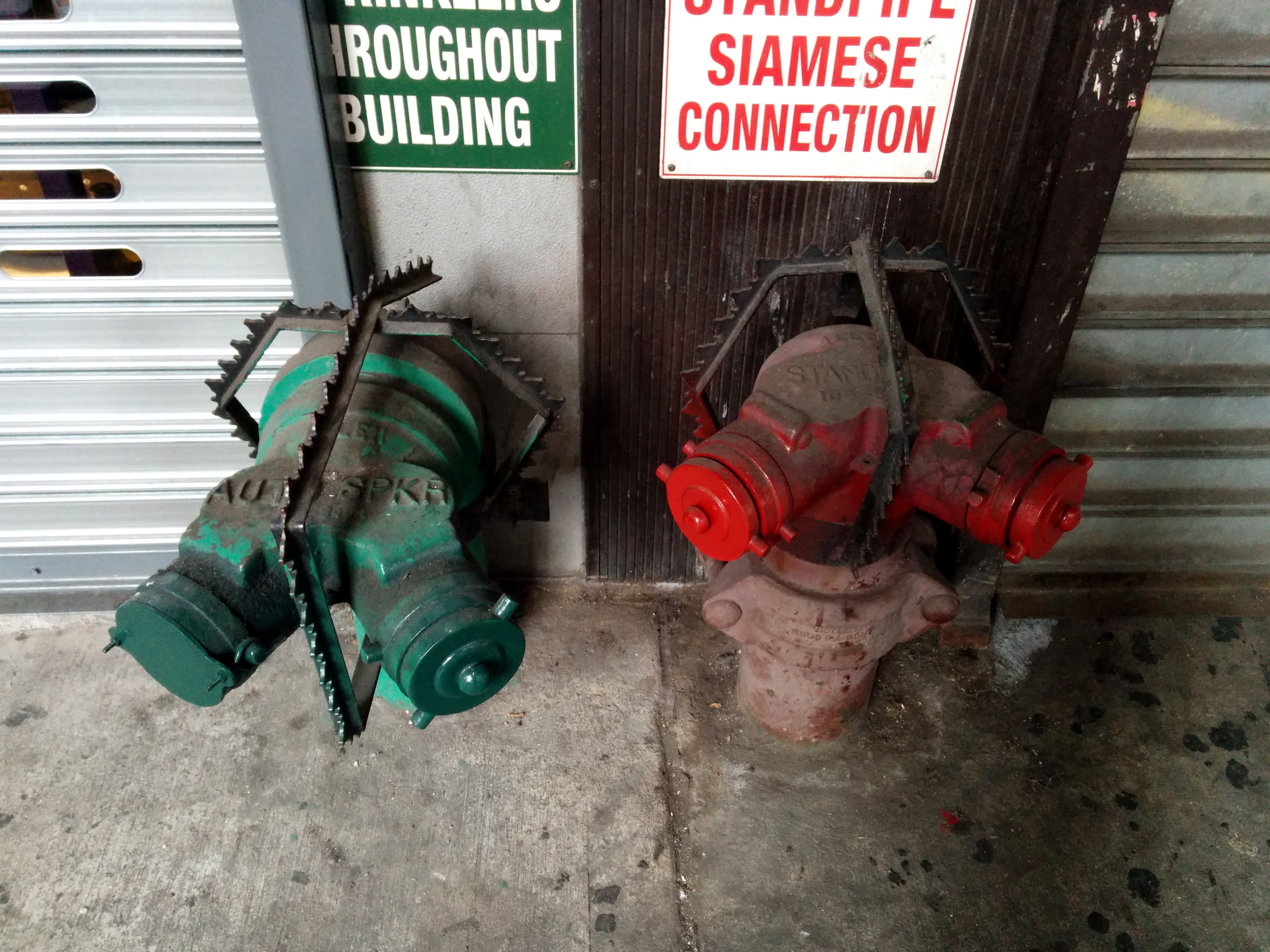
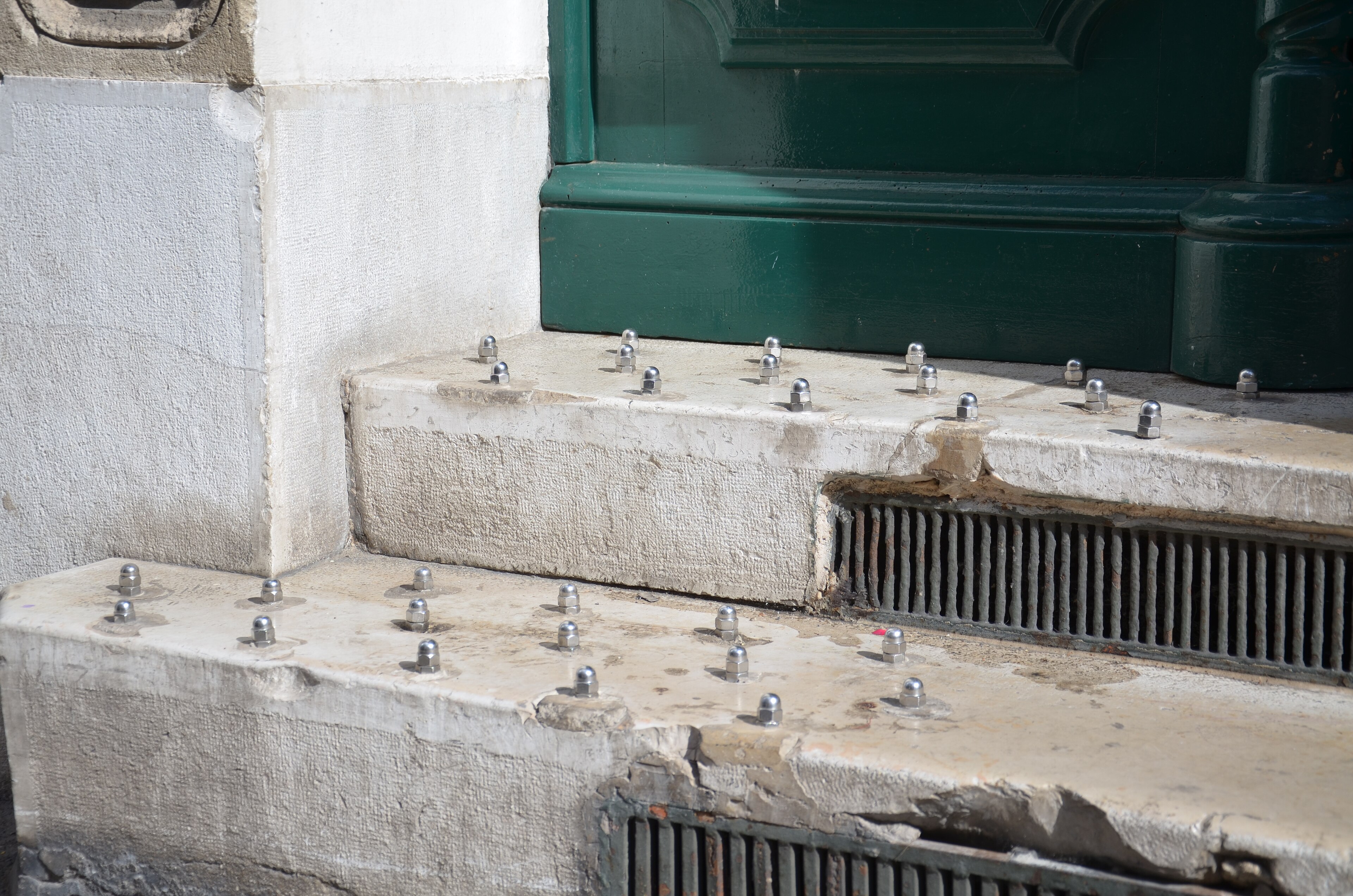
Legal scholar Sara Rankin notes that hostile architecture is often designed to “function without being detected,” and reflects a broader instinct to “control a space so you don’t have to be confronted with visibly poor people.”
But it’s not going unchallenged.
In 2018 Seattle public outcry (and city council pressure) caused the DOT to relocate “bike rack” encampment barriers. Brazil passed a national law banning hostile architecture (the “Father Lancellotti Act,” Jan 2023) following high-profile activist actions. Similarly, U.S. legislators in Connecticut and Washington have proposed bans.
But here's the thing that stuck with me. there is almost no rigorous evidence that any of it works. nothing to confirm hostile design reduces crime or improves safety.If anything it makes it harder for people with disabilities, the elderly or parents.
Nobody ever measured whether any of it works because that was never really the point. The point was to not have to look at it. Every spiked ledge and divided bench is a choice someone made to make it someone else's problem. The thing about pushing people up the roadis that they don't stop existing. They just end up somewhere you're not looking.