
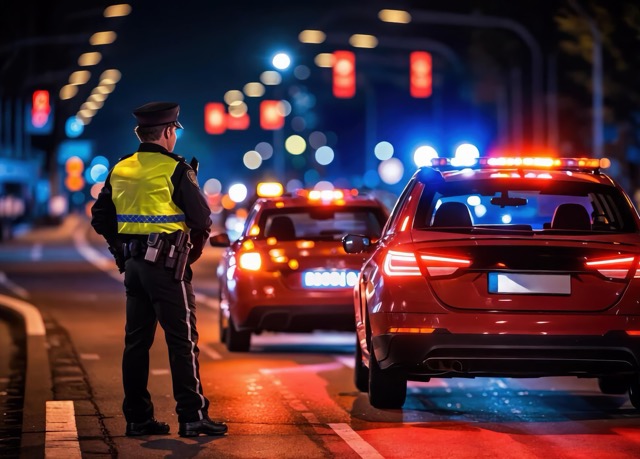
Here are the questions that come up most often during a traffic stop, answered with the case law to back them up.
Do I need to roll down my window? No and Yes. You only need to roll down your window enough to communicate with the officer and pass documents through. Typically a few inches is sufficient. There's no nationwide law mandating a driver roll the window down a specific distance. However, if the officer orders you to roll down your window all the way you must comply. The Supreme Court has ruled they can order drivers to exit the vehicle entirely, by that logic, the lesser request is also lawful.
Do I have to get out of the car? Yes, if ordered. The Supreme Court held that ordering a person out of a car during a lawful traffic stop did not violate the Fourth Amendment. This authority was expanded in 1997 to include passengers.
What am I obligated to provide: You are legally required to give police your driver's license, registration, and proof of insurance. No other questions have to be answered.
Can the police search my car?: Police cannot search your vehicle without probable cause or consent. You can clearly state you do not consent to a search. it may not prevent the search in the moment, but it may help you legally later.
Can I record the police: Yes. You have the First Amendmeny right to record police during traffic stops as long as you do not interfere with their duties.
How do I answer the do you know why I stopped you question?: Don't. Always answer you don't know. Never volunteer anything. A typical traffic stop is considered temporary and non-custodial, So police can ask questions like: "Do you know why I stopped you?” “Have you been drinking?” and “Where are you coming from?” Without Miranda rights
A word about Miranda rights: Unlike what we've seen in movies and on television Miranda rights are typically not read at time of arrest. They are triggered by a combination of two things: custody and interrogation. Both need to be present at the same time. A person is considered in custody anytime police have deprived that person of their freedom of action in any significant way (you're not free to leave) This does not always require handcuffs.
Interrogation under Miranda applies not only to questioning but also to any words or actions on the part of the police that they should know are reasonably likely to elicit an incriminating response “ This is your chance to explain what happened before we write this up.”
You do have the right to remain silent and not answer questions until you get a lawyer. but you have to actually say it out loud.
You don't need to argue your case on the side of the highway. That's what courtrooms are for. Stay calm.Be polite, be brief and exercise your rights.don't help them build a case against yourself.