
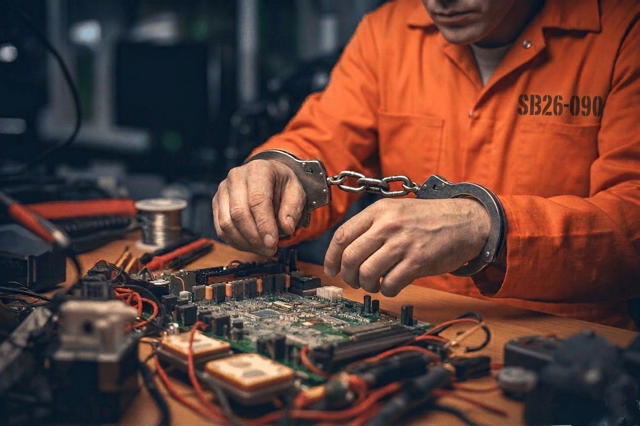
Right to repair is a simple idea: if you bought it, you should be able to fix it.
For years, manufacturers have made self repair increasingly difficult. From locking down hardware in simple ways like proprietary screws, all the way up to exclusive contracts with chip manufacturers so that they can't sell proprietary chips to anyone else, forcing users into using the manufacturer for repair or replacement.
Another one of their tricks is something called parts pairing. The idea is that specific hardware match components to their device's motherboard via serial number. So if you take a working component from one device and put it in another, and it's not authenticated with the proprietary calibration tool, the device flags the mismatch and disables the device or hobbles it in some way.
Apple is a major offender, but not the only one. This doesn't only apply to high-tech devices. Husqvarna even does it with its chainsaws, requiring an authorized dealer to authenticate the firmware for replacement parts.
The right-to-repair movement has been pushing back against this for over a decade. In 2023, seven states passed right-to-repair laws; New York, California, Minnesota, Oregon, Colorado, Washington, and Texas. Requiring manufacturers to make parts, tools, and repair documentation available to owners. Oregon and Washington have even banned parts pairing beginning in 2026
Five states now have laws specifically covering powered wheelchairs. Colorado, California, Oregon, Washington, and Nevada.
John Deere, the company notorious for locking farmers out of their own tractors, settled a class-action suit in 2026 for $99 million and agreed to make its dealer-only diagnostic software available to farmers and independent mechanics.
Of course, manufacturers are being dragged into this kicking and screaming. Apple is still fighting to keep aftermarket parts locked out. A partnership between Samsung and iFixit fell apart because Samsung tightened the screws on the terms. And video game manufacturers have managed to dodge the bullet on this, lobbying their way out of accountability.
Right to repair still has a long way to go. As of this writing manufacturers are lobbying to pass a bill citing a "critical infrastructure exemption". saying "information technology equipment intended for use in critical infrastructure" would be exempt from the law. The concept itself is sound. You wouldn't want unqualified people taking a crack at repairing air traffic controller equipment or power grid management hardware. Or anything that if improperly repaired could trigger a public safety event
But here's the real kicker. The manufacturer will get to self designate if their product is critical infrastructure. If Dell sells laptops to the Pentagon or local municipalities they can go ahead and label it critical infrastructure and sidestep the law. All in the name of cybersecurity.
There is no federal right-to-repair law.
The wins so far are state by state, and manufacturers are already working to claw them back. If you bought it, you should be able to fix it. That shouldn't require an act of Congress.